Already an Airplane Pilot? Here’s What It Takes to Add a Helicopter Rating
You already know how to fly.
You understand airspace, weather, radio communications, navigation, regulations, checkrides, and what it means to be pilot in command.
But can you hover?

For airplane pilots, learning to fly a helicopter is a unique opportunity. You aren't starting your aviation education over from the beginning—but you are learning to control an aircraft that behaves very differently from anything you've flown before.
And depending on the pilot certificate you already hold, adding helicopter privileges may be more achievable than you think.
Here's what the transition actually looks like.
First: Is It Really a "Helicopter Rating"?
Pilots commonly call it a helicopter add-on or helicopter rating, but technically you're adding rotorcraft category and helicopter class privileges to your pilot certificate.
For example, if you currently hold:
Private Pilot – Airplane Single-Engine Land
you could add:
Private Pilot – Rotorcraft Helicopter
You remain one pilot with one certificate. You're simply expanding the categories and classes of aircraft you're qualified to fly.
And that's an important distinction because the FAA doesn't necessarily require an already-certificated pilot to repeat everything a brand-new student pilot has to complete.
You May Not Need Another FAA Knowledge Test
Here's one of the first surprises for many airplane pilots.
When adding a new aircraft category at the same certificate level under Part 61, an additional FAA knowledge test isn't required.
You'll still need ground training.
There is a lot to learn about helicopter aerodynamics, systems, performance, limitations, emergency procedures, and operations. But you're not necessarily going back through the entire student-pilot process from scratch.
You already know what Class B airspace is. We don't need to spend an afternoon explaining it again.
Instead, your training can focus heavily on what's different about helicopters.
And there's plenty to cover.
Your Airplane Hours Still Matter
Your logbook doesn't suddenly reset to zero when you climb into a helicopter.
Previous flight experience may satisfy certain total flight-time requirements, depending on the certificate you're pursuing.
However, the FAA still requires specific helicopter experience.
For a Private Pilot helicopter add-on, for example, you'll need to meet the applicable helicopter aeronautical experience requirements of 14 CFR §61.109(c), including required training and solo experience.
Exactly what you need depends on your existing certificates and experience.
That's why one of the first things we should do with an airplane pilot interested in helicopters is look at the logbook.
Instead of asking:
"How many hours does a private pilot certificate take?"
the better question becomes:
"What requirements have you already satisfied, and what helicopter-specific requirements remain?"
That allows us to build the training around the pilot rather than forcing every pilot through an identical program.
Then Comes the Humbling Part: Learning to Hover
This is where things get interesting.
An airplane pilot may arrive with hundreds—or thousands—of flight hours.
Then we put the helicopter into a hover.
Suddenly, everyone is a student again.
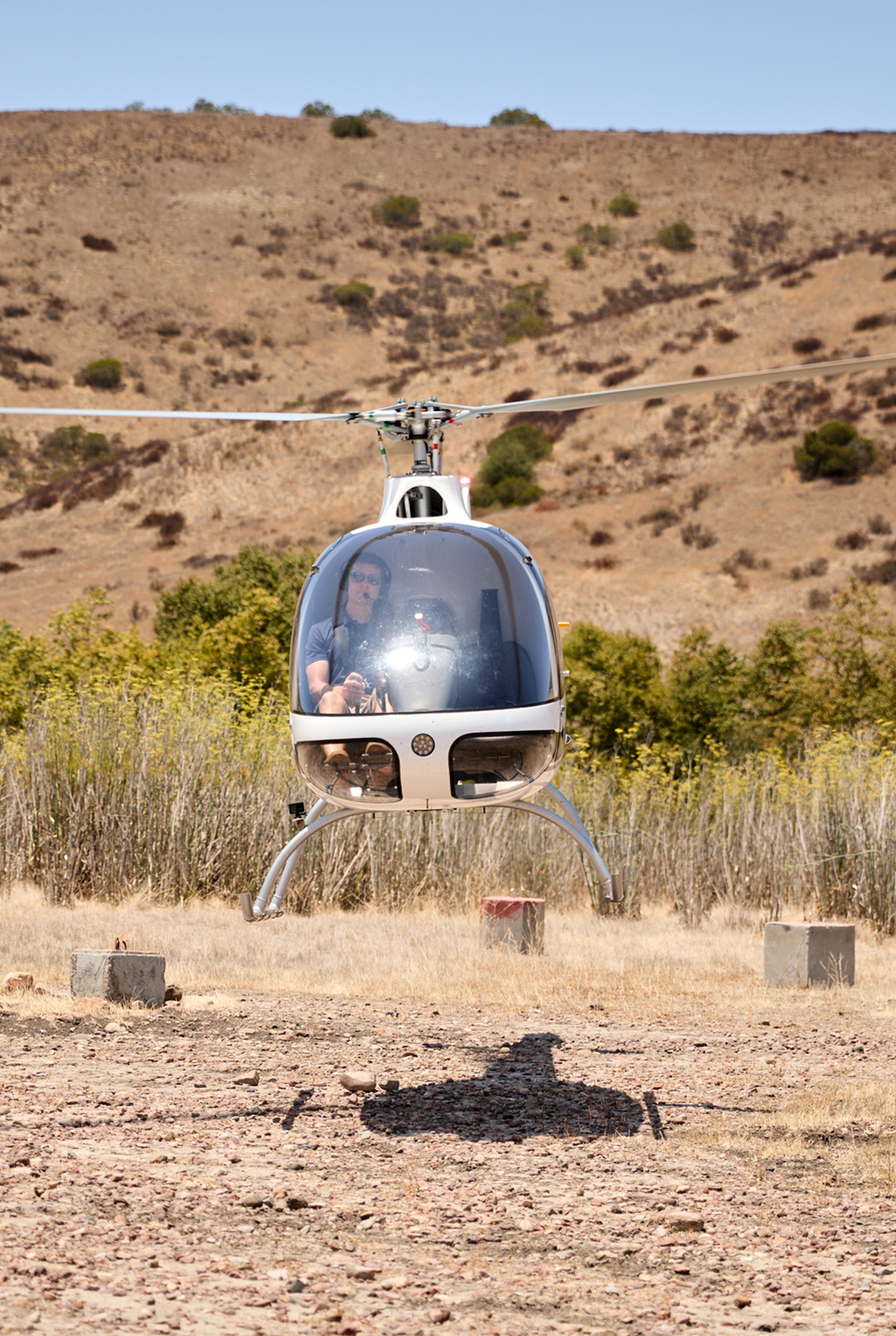
The helicopter's three primary flight controls—the cyclic, collective, and anti-torque pedals—are interconnected.
Change one and you'll frequently need to make an adjustment with another.
Raise the collective and torque changes.
That requires pedal.
The helicopter begins moving.
That requires cyclic.
Your cyclic correction affects something else.
Now you're correcting that.
During the first few attempts at hovering, it can feel like you're constantly one step behind the aircraft.
That's a normal feeling!
The breakthrough comes when you stop reacting to what the helicopter has already done and begin anticipating what it's about to do.
The control movements become smaller.
Your eyes move farther outside.
Your grip on the cyclic relaxes.
And eventually the helicopter just...stays there.
For an experienced airplane pilot, that moment can be incredibly rewarding.
You'll Learn an Entirely Different Side of Aerodynamics
Airplane pilots already understand lift, drag, angle of attack, stalls, and load factor.
Now we're going to take the wing and spin it several hundred times per minute above your head.
Welcome to helicopter aerodynamics.

You'll learn about concepts such as:
Effective translational lift
Dissymmetry of lift
Translating tendency
Transverse flow effect
Retreating blade stall
Vortex ring state
Ground effect
Rotor RPM management
Autorotation
Some of these concepts have parallels in airplanes.
Others are distinctly helicopter.
Understanding them isn't simply an academic exercise, either.
You'll actually feel many of these aerodynamic effects through the aircraft.
Once you understand why the helicopter is behaving a certain way, controlling it becomes much more intuitive.
Takeoffs and Landings Aren't Just About Runways Anymore

This is another major change for airplane pilots.
Runways are great. Helicopters just don't always need them.
Helicopter training introduces an entirely different way of thinking about where an aircraft can operate.
You'll learn normal and maximum-performance takeoffs, approaches, hovering operations, slope operations, and procedures associated with operating in more confined environments.
Now your landing-area evaluation may include questions like:
Where is the wind coming from?
What obstacles surround the area?
Where are the wires?
What's my power margin?
What's the surface condition?
Where is my escape route?
What will my rotor wash affect?
Can I safely get into this area—and more importantly, can I safely get back out?
It changes the way you look at flying.
And Yes, You'll Learn Autorotations
This is usually one of the things airplane pilots are most curious about.
What happens if a helicopter loses engine power?
The answer is autorotation.
The helicopter doesn't simply fall out of the sky.
During an autorotation, airflow through the rotor system keeps the main rotor turning while the helicopter descends. The pilot manages rotor RPM, airspeed, glide, and stored rotor energy to execute the maneuver.
Autorotations become a regular part of helicopter flight training.
At first, they happen quickly.
Eventually, you begin understanding the energy management involved.
For pilots coming from airplanes, it's one of the most fascinating parts of learning helicopters.
What About Instrument-Rated Airplane Pilots?
This is where things can get even more interesting.
If you already hold an airplane instrument rating and want to add helicopter instrument privileges, your previous instrument experience may satisfy portions of the applicable aeronautical experience requirements.

But once again, helicopters introduce their own challenges.
The control inputs are smaller.
Aircraft stability is different.
Power management is different.
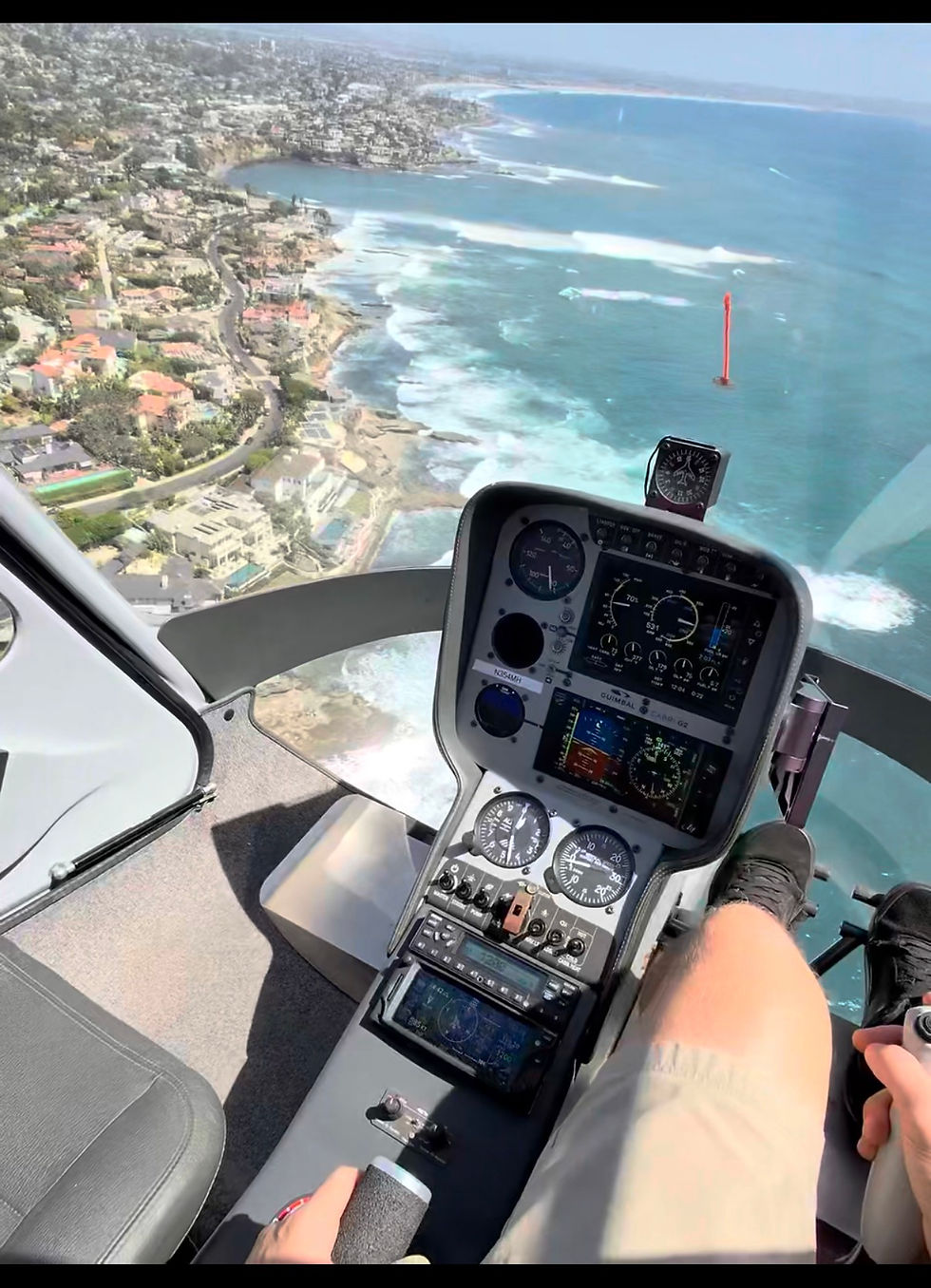
And depending on the helicopter and avionics, your instrument scan and workload management may feel very different from the airplane you're accustomed to flying.
For an experienced instrument pilot, it's an excellent way to expand your skills.
Do You Have to Solo the Helicopter?
Depending on the certificate and add-on you're pursuing, you may still have helicopter-specific solo or pilot-in-command requirements to complete.
And your first helicopter solo is a unique experience—even if you've already soloed airplanes.
The aircraft is suddenly lighter.
The instructor isn't sitting next to you.
And you're hovering while realizing that nobody else is going to fix it.
It's a pretty good feeling.
Will You Have to Take Another Checkride?
Yes.
Adding a new category or class of aircraft generally requires demonstrating proficiency to an examiner through a practical test.
But this isn't your first checkride.
You already understand how practical tests work.
You'll complete the applicable training, receive the required instructor endorsements, and demonstrate the knowledge, risk management, and flight skills required by the appropriate FAA Airman Certification Standards.
The difference is that this time you'll be doing it in a helicopter.
Who Should Consider a Helicopter Add-On?
Not everyone who learns to fly a helicopter intends to change careers.
Some airplane pilots add helicopters because they want to become professional rotorcraft pilots.
Others want to expand their capabilities as flight instructors.
Some own or plan to own a helicopter.
And some have already accomplished what they wanted to accomplish in airplanes and are simply looking for the next challenge.
That last group is one of my favorites.
Aviation has a way of keeping us students.
You can accumulate thousands of hours, multiple certificates and ratings, and years of experience—and then climb into a completely different aircraft and discover how much you still have to learn.
You Already Know How to Be a Pilot. Now Learn to Fly a Helicopter.
If you're already an airplane pilot, transitioning to helicopters isn't about starting your aviation journey over.
It's about expanding it!
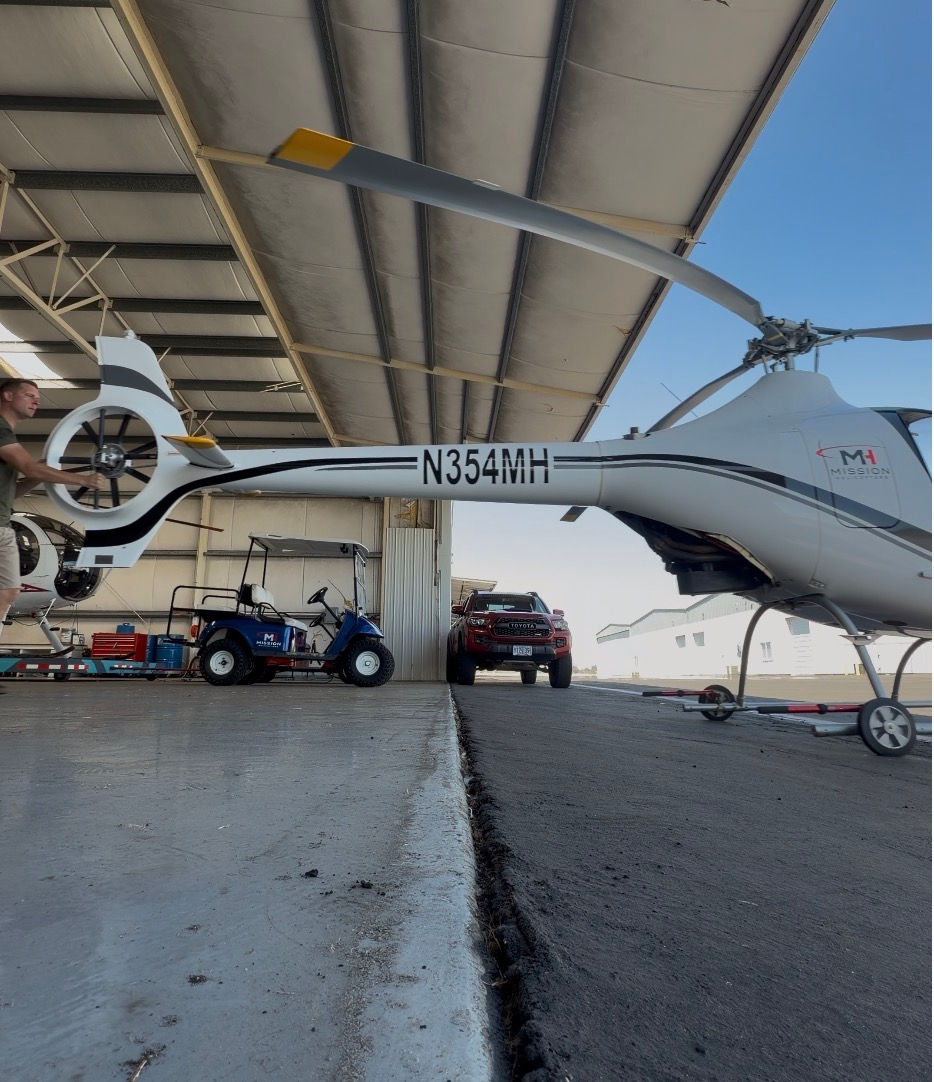
At Mission Helicopters in San Diego, we provide helicopter add-on training in the Guimbal Cabri G2 for pilots coming from the airplane world.
We can review your existing certificates and flight experience, determine which FAA requirements you've already satisfied, and develop a training plan focused specifically on the helicopter experience you still need.
Whether your logbook has 100 hours or 10,000, there's something uniquely satisfying about becoming a beginner again.
Especially when that beginner is trying to hover.

Your Mission. Our Flight Path.
Mission Helicopters
San Diego, California
Montgomery-Gibbs Executive Airport

Comments