Safety Isn’t a Slogan: It’s How We Approach Every Flight
Nearly every flight school will tell you that safety is its top priority.
It should be.
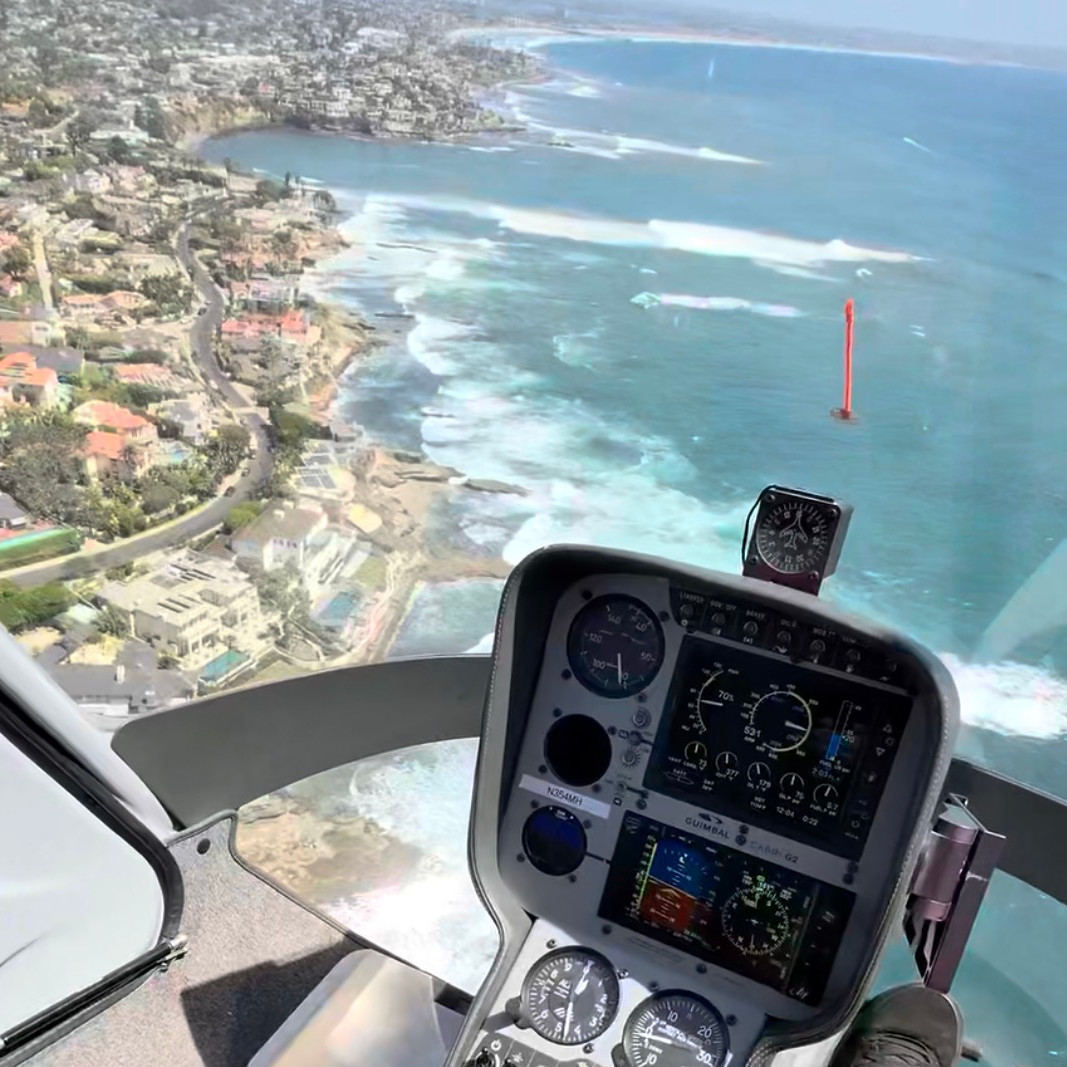
But aviation safety is not established by a slogan on a website or a sentence in a policy manual. It is built through the decisions made before the engine starts, the standards maintained during training, and the willingness to delay or cancel a flight when conditions do not support the mission.
At Mission Helicopters, safety and risk management are not separate subjects that we occasionally discuss. They are part of how we teach, how we operate, and how we want our pilots to think.
Adventure and Discipline Belong Together
Learning to fly a helicopter is an incredible challenge. It attracts people who enjoy adventure, personal growth, and accomplishing something that few people ever attempt.
That sense of adventure is worth embracing. It is one of the reasons many of us were drawn to aviation in the first place.
But adventure in aviation must be supported by discipline.
A professional pilot does not simply ask, “Can I complete this flight?” A professional pilot also asks:
What risks are present today?
How are those risks changing?
What can I do to reduce them?
At what point should I change the plan?
Those questions are relevant whether someone is preparing for a first solo flight, pursuing a professional aviation career, or learning to operate a helicopter they plan to own.
Good risk management does not remove the excitement from flying. It creates the conditions that allow us to enjoy it responsibly.
Safety Begins Before the Helicopter Moves
Many of the most important decisions in aviation happen while the helicopter is still inside the hangar.
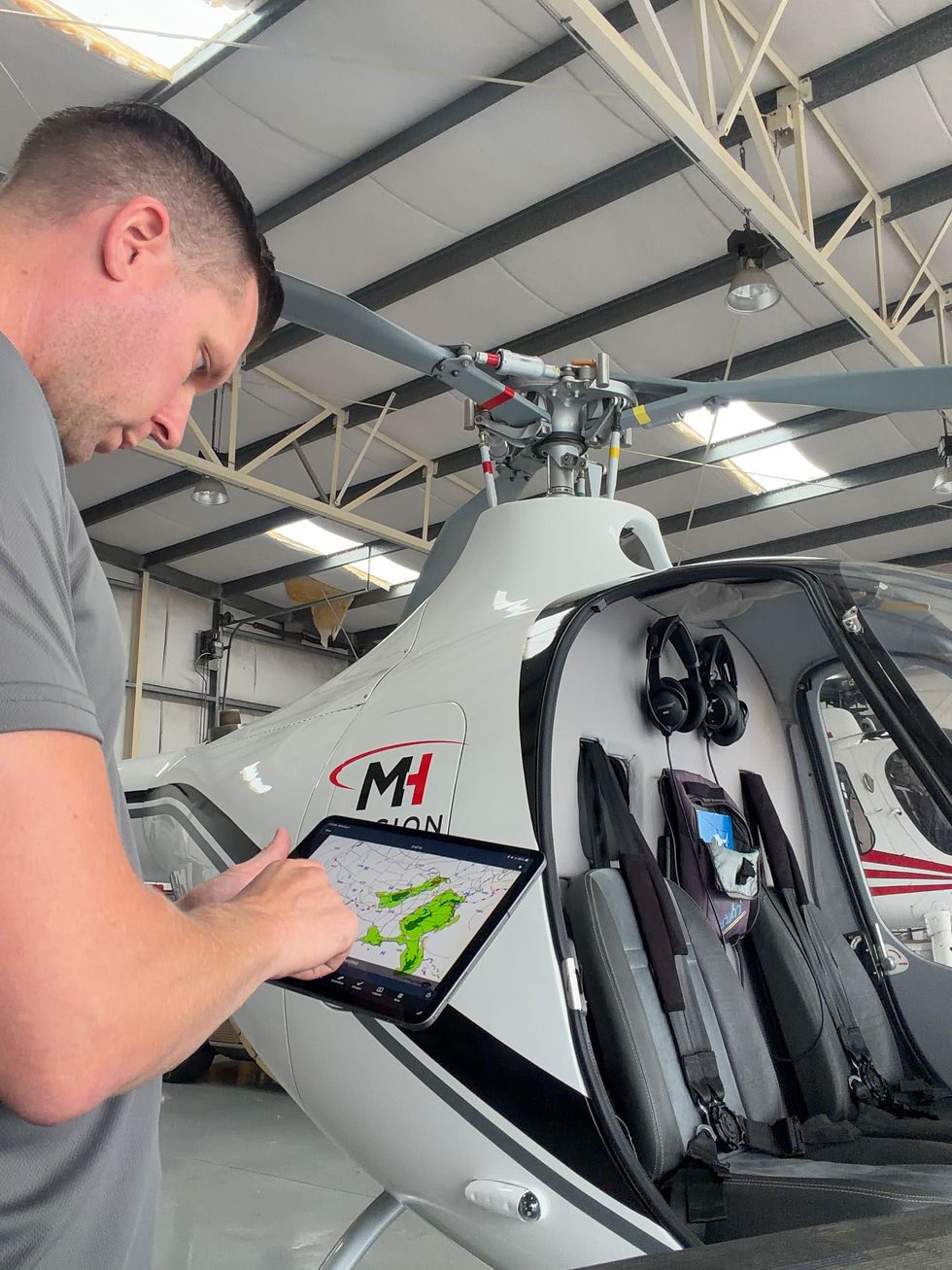
Before each flight, pilots must consider more than whether the weather is technically legal. They should evaluate the entire operating picture: wind, visibility, aircraft performance, fuel, weight and balance, terrain, airspace, pilot readiness, experience, and the purpose of the flight.
They must also recognize the influence of pressure.
Maybe a passenger is waiting. Maybe the flight has already been rescheduled. Maybe the student wants to reach a training milestone. Maybe the weather is acceptable now but expected to deteriorate later.
None of those factors automatically make a flight unsafe. However, they can influence decision-making if they are not identified and discussed.
That is why Mission Helicopters incorporates practical risk assessment into the training process. Students are expected to recognize hazards, explain their decisions, establish personal limits, and identify ways to reduce risk before committing to a flight.
The goal is not to teach pilots to avoid every challenge. The goal is to teach them how to distinguish a manageable challenge from an unnecessary risk.
Why We Train in the Cabri G2
The aircraft used for training plays an important role in the learning environment.
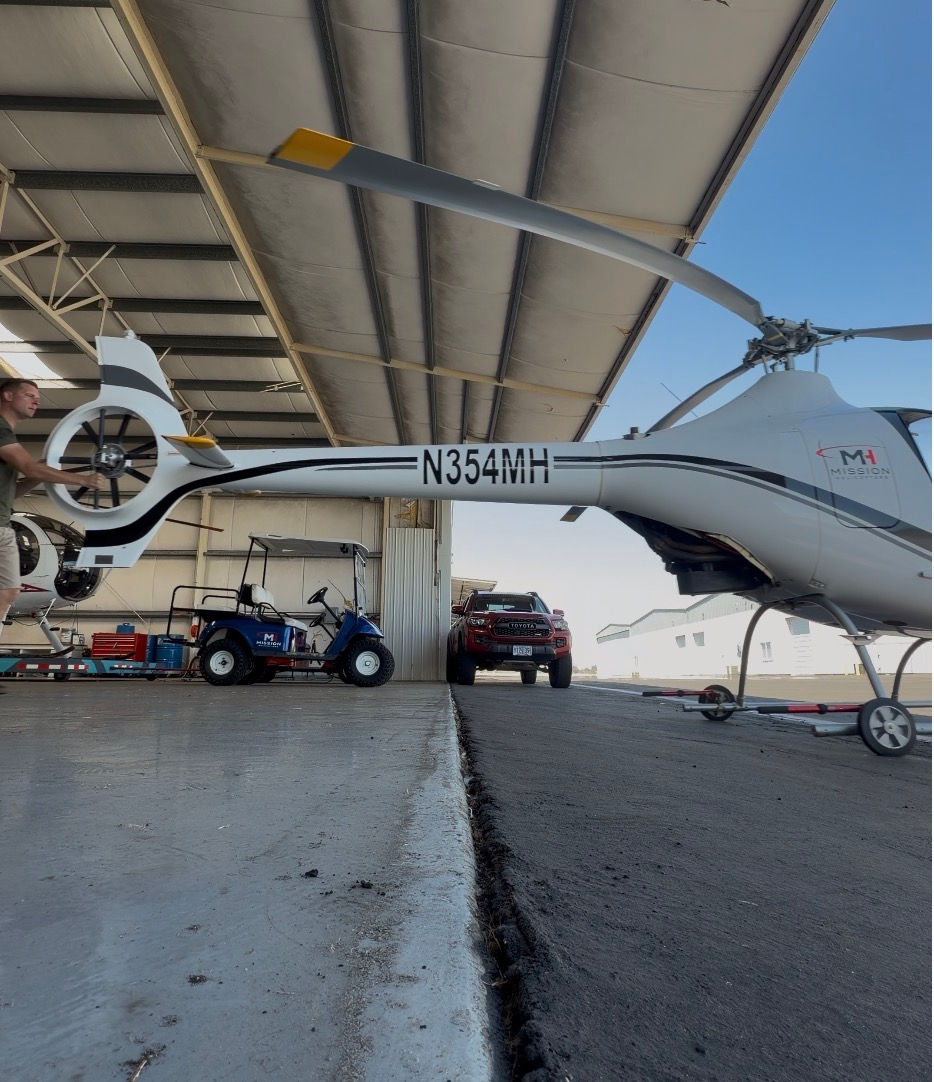
Mission Helicopters selected the Guimbal Cabri G2 because it is a modern helicopter designed with training, visibility, occupant protection, and predictable handling in mind.
Its design provides students with an excellent platform for developing coordination, situational awareness, and sound aircraft-management habits.
Technology and aircraft design, however, are only part of the safety equation.
A capable helicopter cannot compensate for poor judgment, incomplete planning, or weak training standards. The aircraft must be paired with knowledgeable instruction and a culture that encourages students to ask questions, acknowledge uncertainty, and make conservative decisions when appropriate.
We want our students to understand not only how to control the Cabri G2, but also how to manage the flight taking place around it.
Structure Matters—even in Part 61 Training
Mission Helicopters operates under Part 61, which gives students flexibility in how frequently they train and how their programs are scheduled.
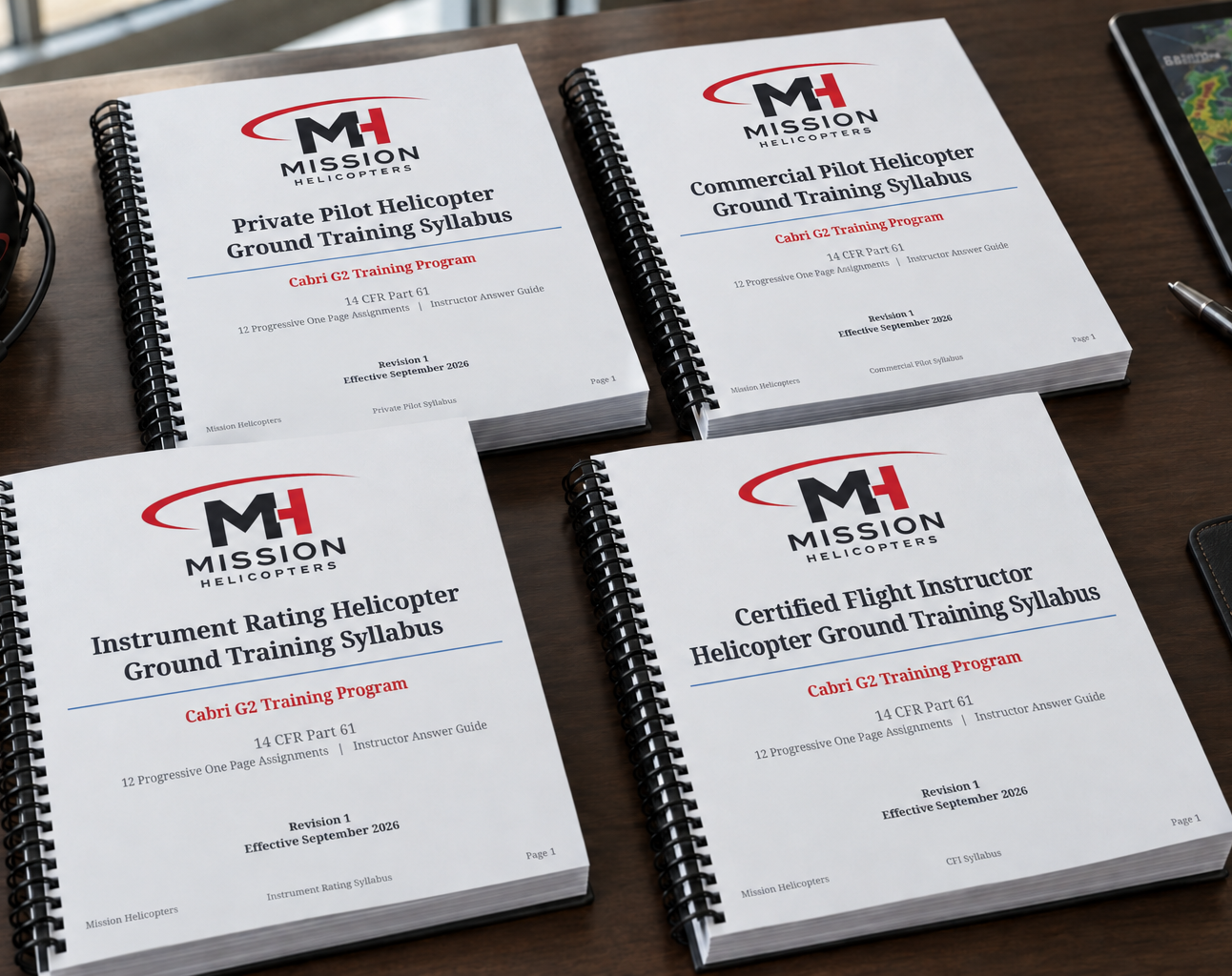
Flexibility should not mean a lack of structure.
Our training programs are designed to give students a clear path forward while still allowing instruction to adapt to their experience, availability, and progress. Flight lessons, ground instruction, scenario-based exercises, homework, preflight planning, and stage-based evaluations work together to develop the complete pilot.
Students should understand what they are learning, why it matters, and how it connects to real-world operations.
Passing a checkride is an important objective, but it is not the only objective. We want students to leave their training with habits and decision-making skills that remain valuable long after the checkride is complete.
Learning to Make the Difficult Decision
One of the hardest lessons for a new pilot is that choosing not to fly can be a sign of strength rather than failure.
A flight may be legal while still being a poor choice for a particular pilot on a particular day. Wind conditions may exceed a student’s experience. Fatigue may affect concentration. Aircraft performance margins may be narrower than expected. Several individually manageable risks may begin stacking together.
A strong safety culture gives pilots permission to recognize those conditions without embarrassment or pressure.
Students at Mission Helicopters will never be criticized for raising a legitimate safety concern. Instead, they will be expected to speak up, evaluate the situation, and participate in the decision.
That is how confidence should be developed: not by pretending risk does not exist, but by learning how to manage it intelligently.
Standards That Grow With the Business
Mission Helicopters is currently a focused, owner-operated flight school with one helicopter. That provides a valuable opportunity to establish the right culture from the beginning.
The procedures, training materials, risk-management tools, and operating standards being created today are intended to provide a strong foundation as the business grows.
As additional aircraft, instructors, and services are added, the same philosophy will remain:
Operate deliberately. Train professionally. Never allow convenience or pressure to become more important than sound judgment.
No aviation organization can promise that flying is free from risk. What it can do is consistently identify hazards, maintain its equipment, train to meaningful standards, and make responsible decisions based on the conditions of the day.
That is the standard Mission Helicopters is working to uphold on every flight.
The Pilot You Become Matters
Flight training is about more than earning a certificate. It shapes the habits, attitudes, and judgment a pilot will carry into every aircraft that follows.
Whether your mission is earning your first pilot certificate, adding a helicopter rating, preparing for a professional career, or developing the knowledge to operate your own aircraft, the standard should be the same:
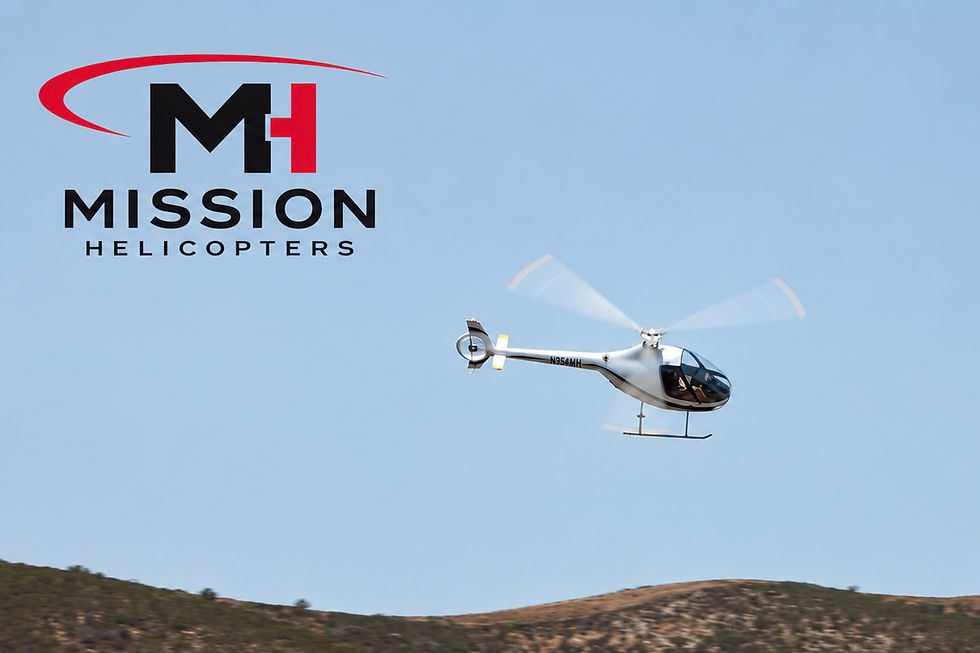
Become a pilot who is capable, prepared, and willing to make the right decision—even when it is not the easiest one.
At Mission Helicopters, that is what professional flight training looks like.
Your mission. Our flight path.
Interested in learning more about helicopter training in San Diego? Explore our training programs or schedule a Discovery Flight with Mission Helicopters.


Comments