Cabri G2 vs. Robinson R22 & R44: Why the Helicopter You Train In Matters
When you decide to learn to fly helicopters, choosing a flight school is only part of the decision. The helicopter you train in matters, too.
For decades, the Robinson R22 has been one of the most common helicopters used for primary flight training in the United States. The larger R44 is also widely used for training, time building, and commercial operations. Both have helped train generations of helicopter pilots.
But helicopter training has evolved, and there is another option worth considering: the Guimbal Cabri G2.
At Mission Helicopters, we chose the Cabri G2 as our primary training aircraft because it combines responsive helicopter handling with modern design, safety features, and a cockpit that is exceptionally well suited to learning.
Here are some of the reasons we believe it makes an outstanding training helicopter.
1. Designed With Modern Safety Features in Mind

One of the biggest differences between the Cabri G2 and older training helicopter designs is simply when they were developed.
The Robinson R22 traces its design back to the 1970s, while the Cabri G2 was developed decades later. That gave Guimbal the opportunity to incorporate more modern engineering and safety concepts into the aircraft.
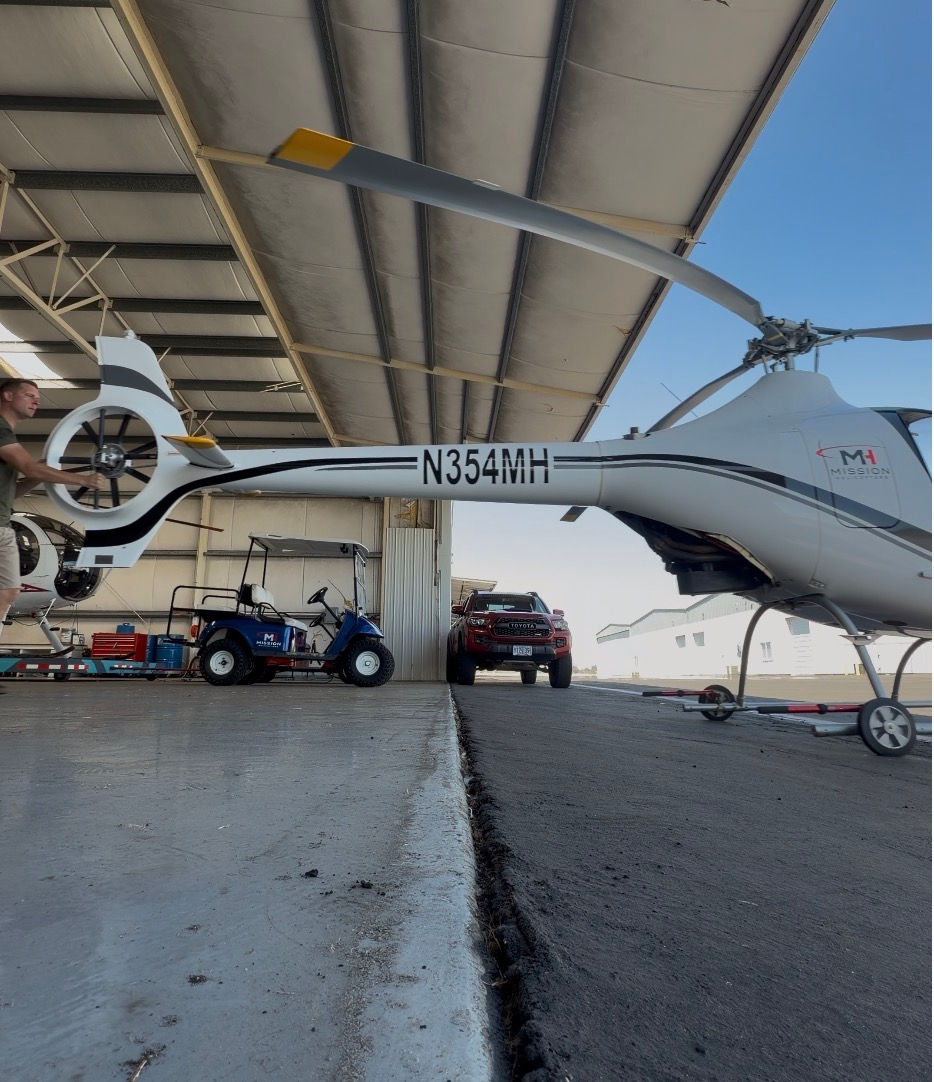
The Cabri features a composite fuselage, crash-resistant fuel system, energy-absorbing seats, and a fully articulated three-blade main rotor system.
No helicopter eliminates the inherent risks of flight, but when selecting an aircraft for primary training, we believe modern safety engineering is a meaningful advantage.
2. A Fully Articulated Three-Blade Rotor System

The rotor system is one of the most significant differences between the Cabri G2 and the Robinson R22 and R44.
The R22 and R44 use Robinson's two-blade teetering rotor system. The Cabri uses a three-blade, fully articulated rotor system.
For a student pilot, this provides an excellent platform for developing precise aircraft control while experiencing handling characteristics that translate well as they progress into other helicopters.
Students still learn the fundamentals that every helicopter pilot needs—proper control coordination, rotor RPM management, energy management, hovering, autorotations, and operating within aircraft limitations—but they do so in a helicopter specifically engineered as a modern training platform.
3. No Robinson SFAR 73 Training Requirement
There is also an important regulatory difference.
Because of the operating characteristics and accident history associated with Robinson helicopters, the FAA established Special Federal Aviation Regulation No. 73 (SFAR 73).
SFAR 73 establishes specific awareness training, flight training, experience, endorsement, and currency requirements for pilots operating Robinson R22 and R44 helicopters.
The Cabri G2 is not subject to SFAR 73.
That doesn't mean Cabri pilots require less training. Good helicopter training should always emphasize aircraft limitations, aerodynamics, emergency procedures, and sound aeronautical decision-making.
It does mean that students training in the Cabri are not subject to the additional Robinson-specific regulatory requirements imposed by SFAR 73.
4. A Comfortable Cockpit Makes a Difference

Comfort might sound secondary when choosing a training helicopter, but after spending an hour or two practicing hovering, autorotations, approaches, and emergency procedures, it matters.
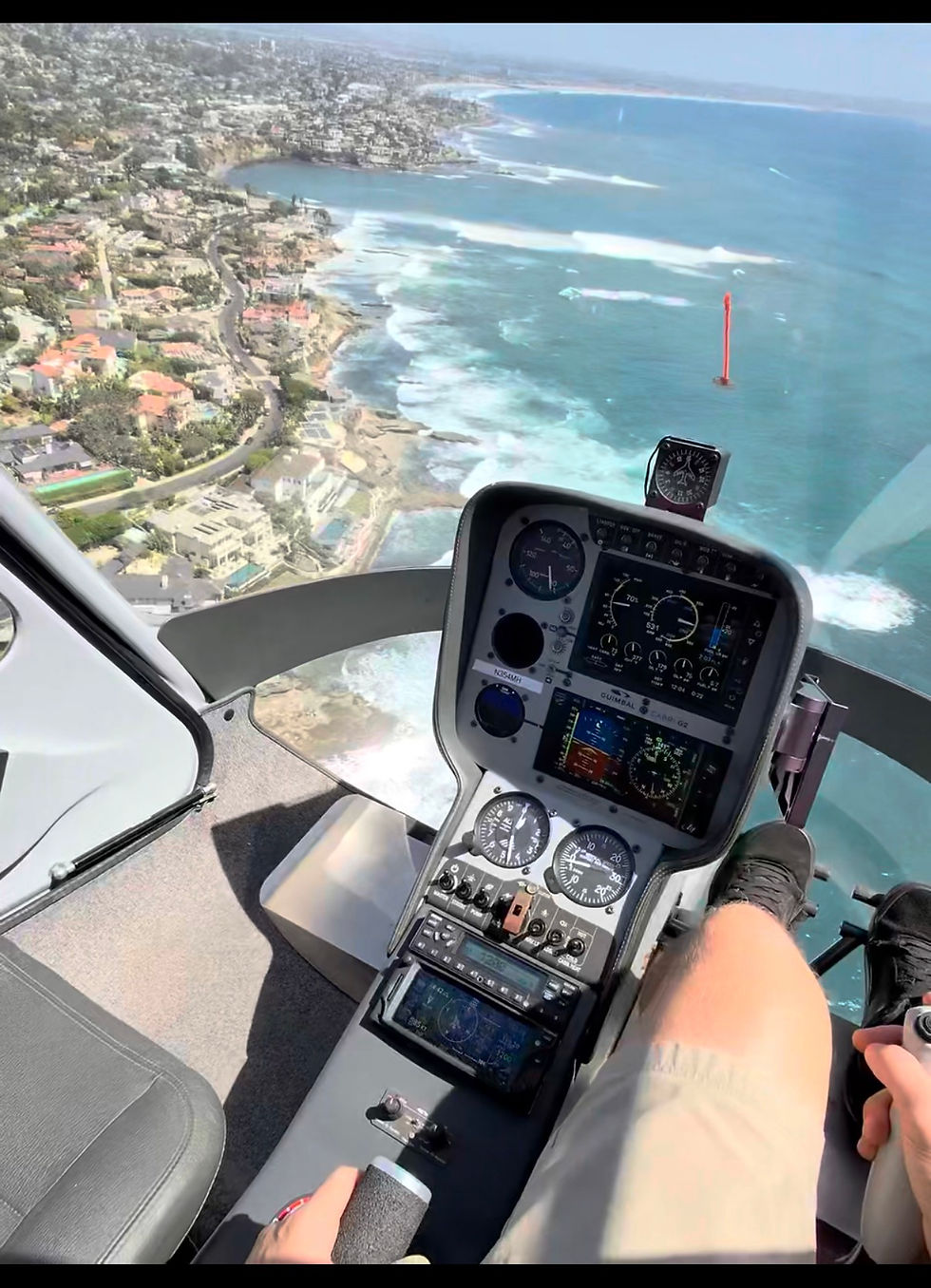
The Cabri G2 has a wide cockpit with excellent visibility and a surprisingly spacious feel for a two-seat helicopter.
That makes it easier for the student and instructor to operate comfortably while maintaining good visibility of the aircraft, instruments, and surrounding environment.
For taller students in particular, cockpit ergonomics can make a significant difference during longer training flights.
And when you're learning something as demanding as helicopter flying, reducing unnecessary fatigue helps you focus on what actually matters—learning to fly the aircraft.
5. Excellent Visibility

Helicopter pilots need to develop the ability to constantly divide their attention between the aircraft, instruments, traffic, terrain, and landing environment.
The Cabri's large canopy provides excellent visibility around the helicopter.
During hover practice, confined-area operations, approaches, traffic-pattern work, and off-airport training, that visibility helps students build the visual references and situational awareness that are fundamental to helicopter flying.
It also makes the aircraft a great platform for one of the best parts of helicopter training: actually being able to see the world you're flying over.
6. Modern Systems Without Losing Stick-and-Rudder Flying
Learning in a modern helicopter shouldn't mean allowing technology to fly the aircraft for you.
The Cabri G2 strikes an excellent balance.
Students get exposure to a modern helicopter design and instrumentation while still learning the fundamental hands-on skills required to become a competent helicopter pilot.
You'll still spend plenty of time learning to hover.
You'll still learn to coordinate the cyclic, collective, and pedals.
You'll still practice autorotations.
And yes—you'll probably wonder during your first few lessons how anyone ever learned to hover.
Then one day, it clicks.
That's part of becoming a helicopter pilot.
7. Training Value Is More Than the Hourly Rate

When comparing helicopter schools, it's tempting to look at one number:
How much does the helicopter cost per hour?
That's certainly important. Flight training is a significant investment.
But hourly rate alone doesn't tell the entire story.
Students should also consider the quality of instruction, aircraft condition, maintenance, availability, cockpit environment, safety features, training structure, and how effectively each flight hour is being used.
The cheapest flight hour isn't necessarily the best value.
The goal isn't simply to accumulate enough hours to qualify for a checkride.
The goal is to become a safe, confident, competent helicopter pilot.
What About the R22 and R44?

The Robinson R22 and R44 have played an enormous role in civilian helicopter aviation.
Thousands of professional helicopter pilots learned to fly in Robinson aircraft, and both helicopters continue to serve flight schools and commercial operators throughout the world.
The R44 also offers something the two-seat Cabri G2 doesn't: additional seating and utility that make it useful for many commercial missions.
This isn't about saying that one helicopter is "good" and another is "bad."
It's about recognizing that students today have choices.
If you're considering helicopter flight training, ask the school what aircraft you'll be flying—and more importantly, why they chose it.
Why Mission Helicopters Chose the Cabri G2

At Mission Helicopters, aircraft selection wasn't simply about finding the least expensive helicopter to operate.
We wanted an aircraft that aligned with the type of training environment we wanted to create.
The Cabri G2 gives our students a modern helicopter with excellent visibility, responsive handling, thoughtful safety engineering, and a cockpit designed around training.
Whether your goal is earning your Private Pilot Certificate, adding a Helicopter Rating, pursuing a Commercial Pilot Certificate, or eventually becoming a Certified Flight Instructor, we believe the Cabri G2 provides an exceptional platform for building the skills you'll carry throughout your helicopter career.
Because your first helicopter doesn't just teach you how to pass a checkride.
It helps shape the pilot you become.
Ready to Experience the Cabri G2?

The best way to understand the difference is to fly it.
Mission Helicopters offers Discovery Flights and helicopter flight training in San Diego from Montgomery-Gibbs Executive Airport.
A Discovery Flight gives you the opportunity to meet an instructor, learn the basics of helicopter flight, and take the controls of a Cabri G2 yourself.
Your Mission. Our Flight Path.

Comments